






About Gtech

Message from the Director

As climate change has become a global challenge, there is an urgent need to realize sustainable agriculture through the reduction of greenhouse gas (GHG) emissions in the agricultural sector and the sequestration of soil carbon. In particular, reducing GHG emissions from farmland and developing technologies for carbon sequestration are essential for sustaining agricultural ecosystems while mitigating climate change.

At Ibaraki University, we have been conducting environmental and ecosystem research on agriculture and nitrogen pollution issues in the Lake Kasumigaura watershed for more than 50 years. Building on this expertise, we have worked to promote soil carbon sequestration through practices such as no-tillage cultivation, the use of cover crops, and biochar application, as well as to develop technologies for GHG reduction using microorganisms. These efforts have also contributed to building sustainable agricultural systems that improve soil health and enhance crop productivity.

To further advance this research, we established the Green-Bio Technology Research Center (Gtech). The center has built an integrated research system that spans from analyzing microbial communities and controlling their metabolic functions to developing and implementing farming practices. We are working to develop and demonstrate environmentally sound agricultural technologies based on scientific evidence. Specifically, we focus on exploring microorganisms with GHG-reducing capabilities, innovating technologies to conserve agricultural ecosystems, and promoting social implementation through industry–academia–government collaboration.

The activities of our center are not limited to Japan but are also intended to expand into Asia, including Indonesia. By promoting the systematization of GHG reduction and sustainable agriculture, we aim to lead climate change mitigation efforts in the agricultural sector as a research hub that contributes to the world.

Moving forward, we will continue to collaborate with stakeholders to advance research and social implementation that contribute to building a sustainable society through the conservation and enhancement of agricultural and ecosystem functions.

Director, Masakazu Komatsuzaki

Green-Bio Technology Research Center

Director
Masakazu Komatsuzaki
Faculty of Applied Biological Science, Ibaraki University

Born in 1964, Ph.D. (Agriculture). After graduating from the College of Agriculture at Ibaraki University, he served as Research Associate and Associate Professor at the University Farm, Faculty of Agriculture, Ibaraki University, and as Visiting Associate Professor at North Carolina State University, before assuming his current position.

What is Green-Bio?

“Green-Bio” at Gtech focuses on the environment (“green”) and microorganisms (“bio”). This initiative uses the power of microorganisms found in agriculture and ecosystems to help control greenhouse gas emissions and contribute to climate change mitigation. We explore how these microbes function, tap into their potential, and create a society where sustainable agriculture and the environment live in harmony.

MISSION
− Our purpose and commitment −

Building a sustainable future by harnessing microbes in agriculture and ecosystems

VISION
− Our mid- to long-term goals −

From Ibaraki to Asia, contributing to a sustainable and climate-resilient future

VALUES
− Our guiding principles −

  • ・Integrate micro and macro perspectives - from microorganisms to the planet
  • ・Scientifically elucidate material cycles in agriculture and ecosystems and drive innovation
  • ・Implement research outcomes in society and expand sustainable social value from the local community to the world

From Asia to the World: Becoming a Research Hub for Climate Change Mitigation in Agriculture and Ecosystems

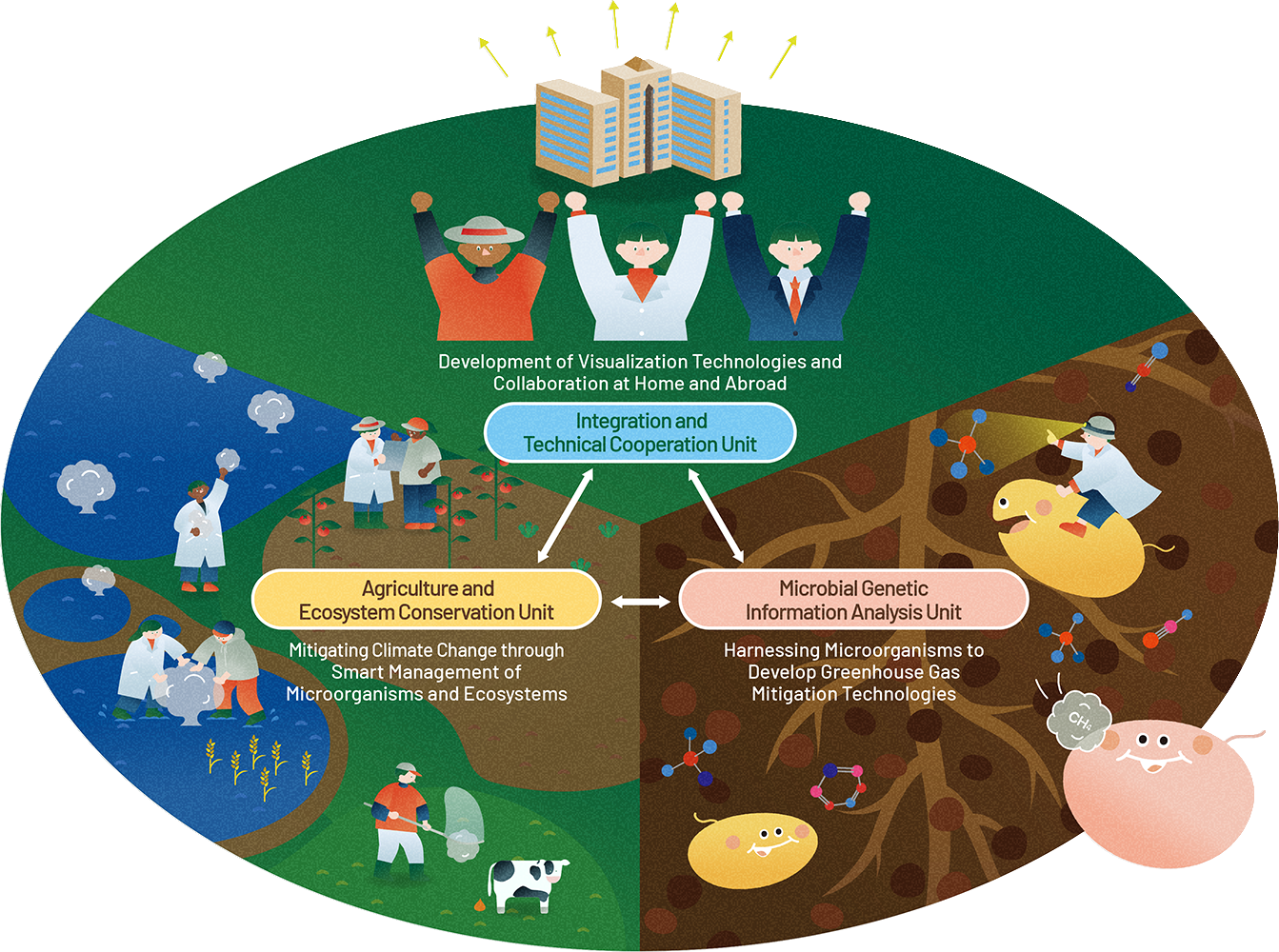
Greenhouse gases (GHGs), which are considered the main cause of climate change, include not only carbon dioxide (CO₂) but also methane (CH₄) and nitrous oxide (N₂O). Agriculture and ecosystems are the largest anthropogenic sources of methane and nitrous oxide emissions.

Methane is emitted from rice paddies and the digestive systems of livestock, while nitrous oxide is emitted from upland farming fields—both as a result of microbial processes. At the same time, there are microorganisms that can utilize or decompose these GHGs and convert them into other substances.

For this reason, controlling microbial activity is crucial for reducing GHG emissions. Gtech is committed to addressing climate change issues through “Green-Bio Technology.”

The Green-Bio Technology pursued at Gtech not only enhances the sustainability of agriculture but also points the way toward advanced research directions that contribute to climate change mitigation.

To advance research on GHG reduction, Gtech is organized into three units: the Agriculture and Ecosystem Conservation Unit, the Microbial Genetic Information Analysis Unit, and the Integration and Technical Cooperation Unit.
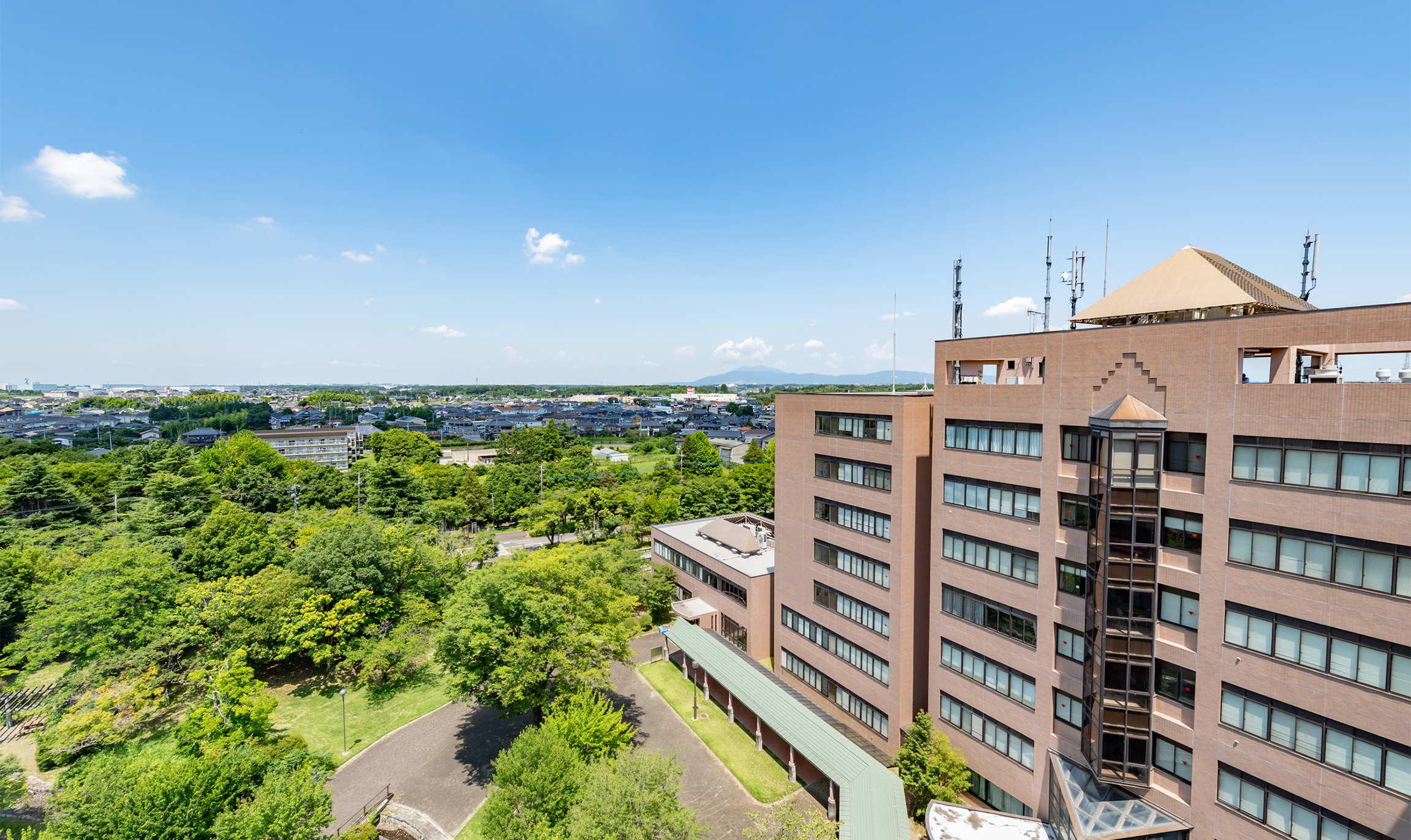
Ibaraki University Ami Campus
Center Name Green-Bio Technology Research Center
Center Abbreviation Gtech
Date of Establishment April 1, 2025
Location Ami Campus, Ibaraki University, 3-21-1 Chuo, Ami, Ibaraki 300-0393, Japan
Director Masakazu Komatsuzaki